Quiet Gardening
A Morning with the Blackbird: Why a Quiet Garden Matters 🐦⬛
There is something truly special about the sound of a South Devon garden in full song.
Earlier today, while I was out tending to the lawn, I had some wonderful company—a male blackbird who seemed just as busy as I was. As I moved across the grass, he was perched nearby, singing his heart out. It is moments like these that remind me why I do what I do.
Nature's Soundtrack
You might have noticed that when a lawn is freshly cut, the birds move in almost immediately. This male blackbird wasn't just singing for the sake of it; he was on a mission. As the grass is trimmed, it exposes the ground, making it much easier for him to spot and collect insects to take back to the nest.
Seeing him hopping through the borders and listening to that rich, flute-like song is a reminder that our gardens are active nurseries for local wildlife.
The Benefit of Going Electric
One of the reasons I was able to enjoy his company so closely is my commitment to quiet technology. Because I use professional battery-powered equipment, there isn't the deafening roar of a petrol engine or the smell of exhaust fumes to drive the wildlife away.
When the machinery is quiet, the garden stays peaceful. I can hear the blackbird, and more importantly, he isn't startled by the noise. It allows me to work with the ecosystem rather than disrupting it.
Creating a Bird-Friendly Garden
If you would like to see more blackbirds and songbirds in your own garden, there are a few simple things we can do:
Keep Borders Diverse: Leaf litter and mulch provide the perfect hunting ground for insects.
Avoid Chemicals: A healthy, pesticide-free lawn means more natural food for the birds.
Add Water: A small birdbath or a managed wildlife pond provides a vital drinking and bathing spot.
Watch the Moment
I managed to capture a quick clip of the day's atmosphere and our feathered friend. You can see the short video right here:
Watch: Blackbird singing in the garden 🐦⬛
If you want your garden to be a sanctuary for both you and the local wildlife, I would love to help you manage it.
Totnes GardeningExpert Care. Quiet Technology. Healthy Ecosystems.
The Art of Quiet Gardening: Cultivating Peace in Your Patch
Discover a holistic approach to gardening that nourishes your soil, supports local wildlife, and restores your own well-being.
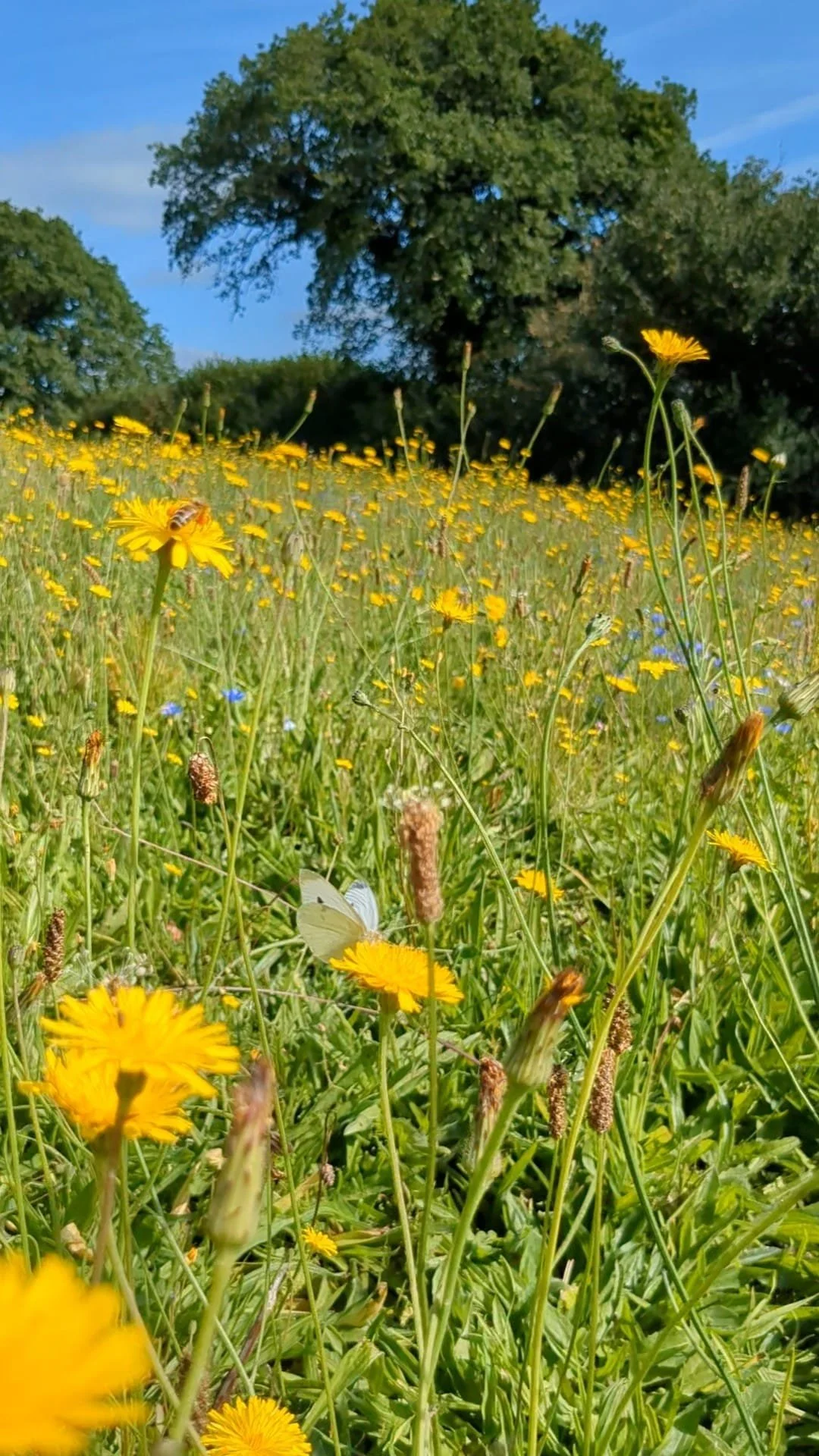
In a world that often feels overwhelmingly loud and fast-paced, our gardens should be our sanctuaries. Yet, on any given weekend, the air in many neighbourhoods is filled with the roar of petrol mowers, hedge trimmers, and leaf blowers. We often approach our outdoor spaces as battlegrounds—fighting weeds with chemicals and beating back nature with heavy machinery.
But there is another way. A way that aligns perfectly with the ethos here in Totnes.
It’s called Quiet Gardening.
This holistic approach isn't just about turning down the volume; it’s about shifting our entire perspective from "yard work" to "stewardship." It’s about creating peaceful, sustainable outdoor spaces that heal the gardener as much as they heal the land.
If you are looking to transform your garden into a genuine place of contemplative rest—inspired by movements like the Quiet Garden Network—here is how to embrace the quiet.
What is Quiet Gardening?
At its core, Quiet Gardening is about working with nature rather than trying to dominate it. It emphasizes gentle maintenance, fostering biodiversity, and creating a sensory experience that promotes deep relaxation. It moves away from the chemical-heavy, noisy model of landscaping toward a restorative partnership with the seasons.
The Core Principles of a Quiet Garden
Creating a tranquil space doesn't require a grand redesign. It starts with adopting a few mindful principles.
1. Minimize Noise and Chemicals
The hum of bees should be the dominant sound in a garden, not a two-stroke engine.
Swap the Tools: Consider trading petrol-powered tools for electric alternatives, or better yet, rediscover the meditative rhythm of manual tools like hand shears or a well-maintained scythe for long grass. Your ears (and your neighbours) will thank you.
Ditch the Toxins: Avoid herbicides and chemical fertilizers entirely. They disrupt the delicate soil web and harm the very wildlife we want to attract.
2. Practice Mindful Maintenance
Shift your focus to methods that build health rather than just tidying up messes.
Embrace No-Dig: Protect vital soil structure and lock carbon into the ground by mulching rather than tilling or double-digging. It’s far less back-breaking work and leads to healthier plants.
Plant Perennials: Lean heavily on plants that return year after year. This reduces the need for constant soil disturbance and replanting labour.
3. Rewild the Edges
A quiet garden is a shared habitat. A pristine lawn offers little to nature; a slightly wilder space is a haven.
Welcome Wildlife: Use native plants that our local Devon bees, butterflies, and birds have evolved alongside.
Natural Materials: When adding structures, choose local stone or wood that ages beautifully, rather than plastic or concrete.
Let it Be: Encourage self-seeding plants like foxgloves or poppies, and dare to leave some corners "messy" for hedgehogs and beetles to overwinter in.
4. Design for the Senses and the Soul
A garden shouldn't just look good; it should feel good.
Engage the Senses: Plant fragrant herbs like lavender and rosemary near paths so you brush past them. Incorporate varied textures, like the soft leaves of Lamb's Ear or the rustle of ornamental grasses in the wind.
Create Sanctuary: Use curved paths to naturally slow your walking pace. Use strategic planting—like a native hedge or small trees—to create secluded seating areas hidden from view, offering a true escape.
Why Adopt the Quiet Approach?

The benefits of slowing down extend far beyond the garden gate.
Personal Well-being: Immersion in a truly peaceful green space is proven to reduce stress and anxiety, lowering cortisol levels and improving overall mood.
Environmental Health: By ditching chemicals and building soil health, you are directly supporting pollinators and reducing local pollution.
Community Harmony: Quiet gardening makes you a better neighbour. Reducing noise pollution contributes to a more peaceful atmosphere for everyone on your street, humans and wildlife alike.
Getting Started in Totnes
You don’t need to do everything at once. Quiet gardening is a slow process.
Start Small: Introduce just one new quiet practice this month. Perhaps swap the strimmer for hand shears on a Sunday morning, or plant a single sensory rosemary bush near your back door.
Just Observe: Before you plant or prune, simply sit. Learn your garden's microclimates. Notice where the light falls at different times of day, listen to what you hear, and see what naturally thrives in your soil without your intervention.
Your garden is waiting to become your sanctuary. All it asks is that you listen.