5 ways to be more sustainable in your garden
Cultivating a Greener Totnes: Our Commitment to Ethical and Sustainable Gardening
Hello fellow Totnes residents and garden enthusiasts!
Here at Totnes Gardening, we believe your garden should be a source of beauty and joy, while also being kind to our planet. As a local business in a town renowned for its environmental consciousness, we take our responsibility to the community and the environment seriously. That's why ethical sourcing is at the heart of everything we do.
For us, "ethical" means more than just a buzzword; it's a practical approach to how we run our business and care for your green spaces.
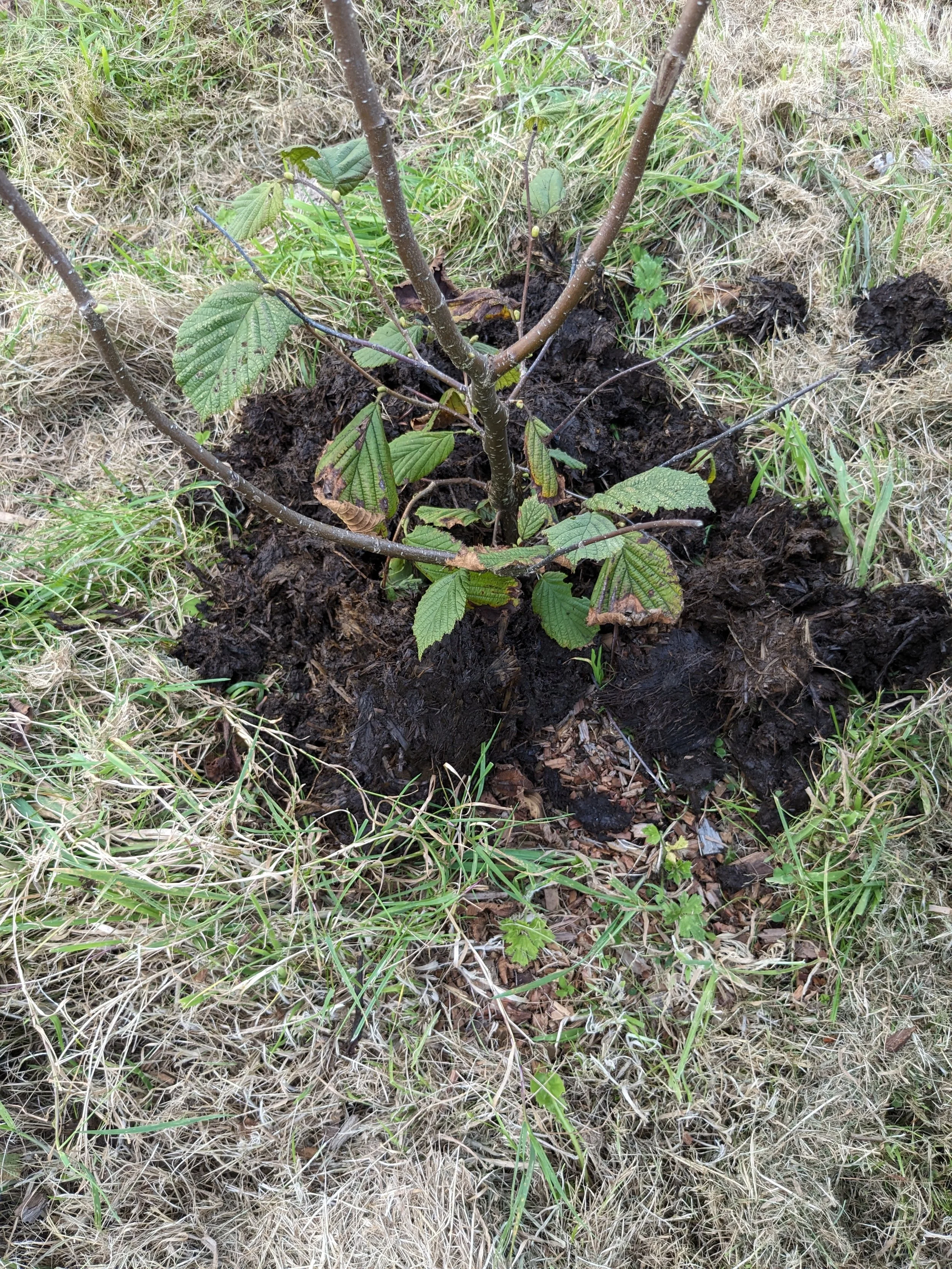
What Ethical Sourcing Means for Your Totnes Garden:
1. Peat-Free Pledges for Precious Bogs
The extraction of peat from bogs is devastating to vital carbon sinks and delicate ecosystems. That's why Totnes Gardening is 100% peat-free. We only use high-quality, locally sourced composts and soil improvers made from sustainable alternatives, such as composted wood and farmyard manure from nearby suppliers. This ensures your plants get the nutrients they need without harming our natural world.
2. Local First: Supporting Our Community
We prioritize working with local nurseries and suppliers right here in South Devon. Sourcing locally drastically cuts down on transportation emissions and injects money back into the Totnes economy. Whether it's a tree or general plants from longcombecross.co.uk we know where our plants come from and can vouch for their quality and sustainable origins.
3. Organic and Proud: Nurturing Nature
We avoid synthetic pesticides and herbicides. Our organic landscaping approach, honed through years of experience, including time at Dartington Hall Gardens, focuses on building healthy soil and promoting biodiversity. We employ natural pest control methods, encouraging beneficial insects and creating habitats where pollinators and local wildlife can thrive. This not only makes your garden a safer place for children and pets but also supports the wider local ecosystem.
4. Sustainable Materials & Waste Management
We choose durable, sustainably sourced materials wherever possible. This includes using FSC-certified timber for any woodwork and opting for reclaimed stone. We also manage all garden waste responsibly, composting on-site where feasible or ensuring it's sent to local green waste processing facilities, minimizing what goes to landfill.
5. Quiet, Clean Tools: A Greener Working Environment
We use modern, battery-powered tools for our maintenance work. This means no noise pollution, zero emissions from petrol fumes, and a more peaceful gardening experience for you and your neighbours.
Join Us on the Journey
Totnes is a pioneer in sustainable living, and we are proud to contribute to this legacy. By choosing Totnes Gardening, you're not just getting a beautiful garden; you're making a conscious choice to support ethical practices that benefit our local environment and community.
Ready to cultivate your garden the ethical way? Contact us today for a free consultation and let's create a stunning, sustainable outdoor space together!
Kevin,
Founder, Totnes Gardening

ethical sourcing gardening
Ethical sourcing in gardening means
procuring plants and supplies in a manner that ensures fair labour practices, environmental well-being, and a sustainable supply chain. This approach prioritizes social equity and minimizes ecological impact, moving beyond simple compliance to a conscious choice that benefits both people and the planet.
Key Principles of Ethical Sourcing in Gardening
Environmental Responsibility: This involves minimizing the carbon footprint, conserving resources, and protecting biodiversity. Key practices include:
Peat-Free Products: Peat extraction from bogs damages vital ecosystems and releases significant amounts of stored carbon. Opt for peat-free composts made from alternative materials like composted bark or wood fibers.
Sustainable Materials: Choose products made from renewable (e.g., FSC-certified timber, natural rubber, bamboo) or recycled materials (e.g., reclaimed stone, recycled plastic) to reduce the demand for new resources.
Organic Practices: Avoid synthetic pesticides and herbicides, which harm pollinators and waterways. Use organic fertilizers and natural pest control methods to build healthy soil and support local wildlife.
Water Management: Support growers who use water-efficient practices, and in your own garden, encourage rainwater collection.
Minimizing Waste and Plastic: Opt for products with plastic-free, biodegradable, or recyclable packaging. Reusing and upcycling items also helps reduce waste.
Social Equity: Ethical sourcing ensures fair treatment of workers throughout the supply chain. This includes:
Fair Labour Standards: Ensuring safe working conditions, fair wages, and freedom from forced or child labour.
Community Impact: Sourcing practices should benefit local communities, respect indigenous knowledge, and involve their participation in conservation efforts.
Transparency: Reputable suppliers are transparent about their sourcing and growing methods. Don't hesitate to ask questions about the origin of products and the conditions under which they were produced.
How to Source Ethically
Buy Locally: Purchasing from local nurseries, garden centers, and plant fairs reduces transportation emissions and supports the local economy and community.
Look for Certifications: Look for certifications such as:
FSC (Forest Stewardship Council) for wood and natural rubber products, which ensures sustainable forestry practices.
Fairtrade for products like gardening gloves or specific plant materials, which guarantees fair compensation for workers.
Organic certifications (e.g., Soil Association Organic) for seeds, compost, and fertilizers to confirm chemical-free production methods.
Choose Cultivated over Wild-Collected: Especially for plants like orchids and tree ferns, ensure they have been propagated in a nursery rather than dug up from their natural habitat, which can lead to habitat destruction.
Prioritize Durability and Re-use: Invest in durable tools and materials that will last, rather than disposable items. Reclaimed materials from salvage yards carry a fraction of the carbon cost of new ones.
Grow Your Own: The most ethical way is to grow your own plants from seeds or cuttings and share with friends and neighbors, ensuring complete control and minimal footprint.