The 5-Minute Job to Stop Black Spot and Get Bigger Blooms This Summer
After weeks of UK heat followed by downpours, roses are under threat from a quiet disease cutting bloom size. Gardeners are now urged to adopt a weekly five-minute check that can transform their summer display.
Boost your roses in just 5 minutes! 🌹
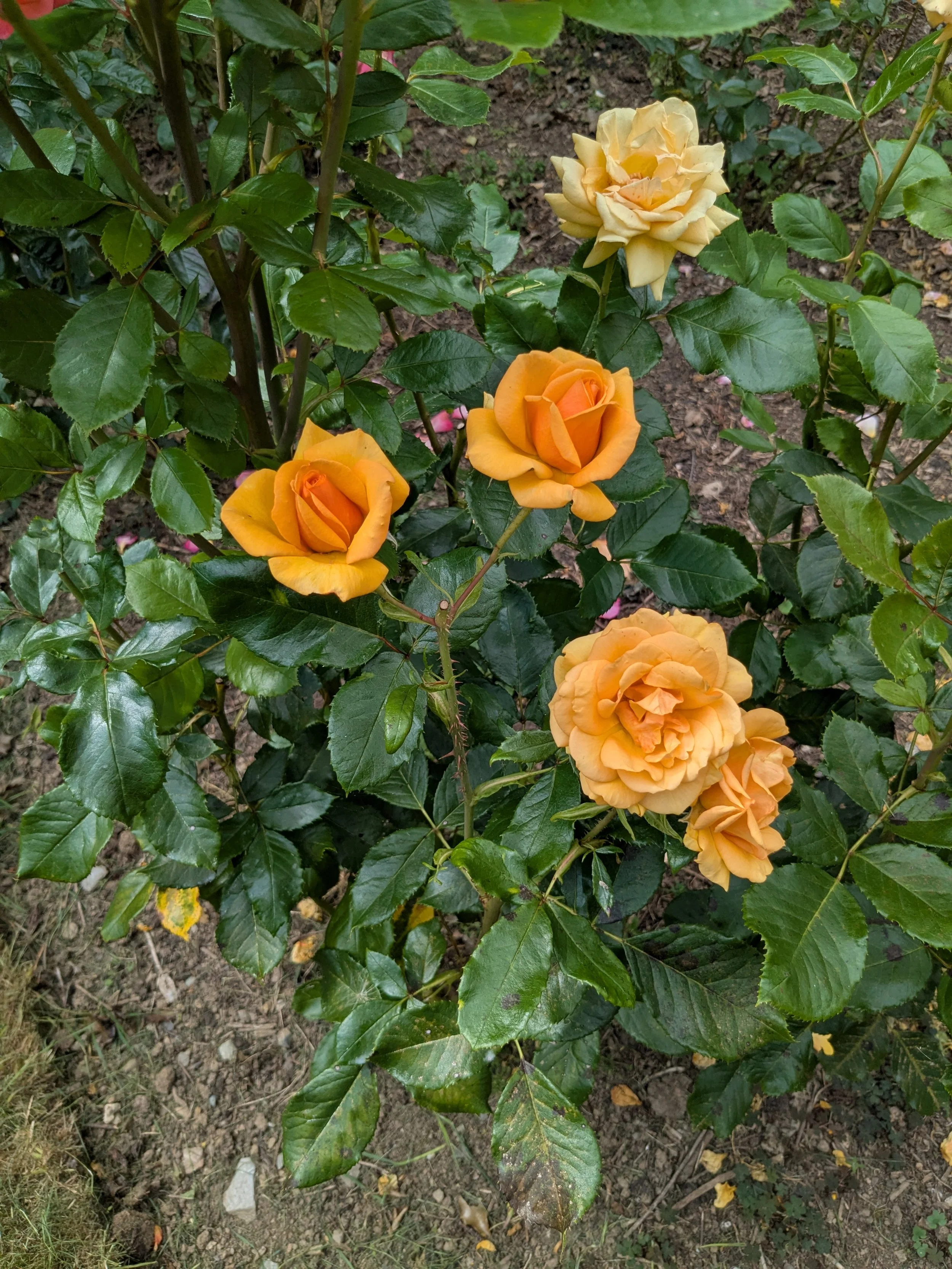
🌹 #TotnesGardening
The five-minute rose check that protects leaves and encourages bigger flowers
Professional guides now champion a tiny weekly routine focused on the soil surface and the lowest leaves. Done straight after wet weather, it takes around five minutes per plant and can dramatically cut disease pressure.
Devon-based site Totnes Gardening recommends a "quick 5-minute hoe once a week" around rose beds, breaking tiny weed seedlings and lightly loosening the top layer of soil so water and air can reach the roots more easily.
During summer, experts advise inspecting roses every few days, especially after rain, for the first signs of black spot on the lower leaves. Any that show dark patches should be removed and binned rather than added to compost.
To stop the disease spreading further, Totnes Gardening recommends a simple homemade mix. "If it has spread, you can make your own organic spray by using a teaspoon of bicarbonate of soda in a spray bottle of water. Lightly mist over the top every week or so, and that should hopefully clear it."
Organic Rose Bed Maintenance: The 5-Minute Job to Stop Black Spot and Get Bigger Blooms This Summer
By Kevin Hare | Totnes Gardening
As Seen In the National Press: The organic methods detailed in this blog post became a viral sensation! Read the national coverage on Netmums and the Liverpool Echo (Reach PLC Network).
After UK heat and rain, experts including Ish Kamran and Totnes Gardening warn black spot could dramatically reduce rose bloom size this summer.
A simple five-minute routine of checking foliage, removing diseased leaves, hoeing soil and using a mild spray is promoted to protect roses.
Salvias, sunlight, careful watering and richer soil are highlighted as quiet tweaks that could turn struggling bushes into showier late-summer rose displays.
After a hot spell followed by heavy showers, many UK gardeners notice their roses sulking instead of bursting into bigger blooms. Experts say a simple five-minute task could decide how well they flower this summer.
Warm, damp weather is perfect for black spot disease, which strips foliage and robs plants of the energy they need for generous flowers. A quick weekly check around each bush can break that cycle and set up a stronger late-summer display.
Why black spot keeps roses from growing bigger blooms
Black spot is a fungal disease that thrives on damp leaves, stems and fallen debris around rose bushes. It starts as dark patches on foliage that quickly turn yellow before dropping to the ground.
Gardeners are warned that if black spot goes untreated it can strip a rose of almost all its leaves, leaving the plant too weak to keep flowering and in serious cases unable to survive the season.
Trials on roses show that foliage diseases and other stress can shrink flower diameter by 20 to 40 percent, because the plant diverts energy into defence instead of building large, full petals.
The fungus spreads through water splashes, moving from infected leaves to the soil and back onto fresh growth during every spell of rain. Once it settles in, it tends to return year after year unless gardeners intervene early.
Hoe Regularly
Directly Quoted by Netmums:“A quick 5-minute hoe once a week disturbs weed seedlings before they can take root. It also breaks the soil crust, letting oxygen get down to the roots.”
Mulch for Moisture: In our Devon climate, we can get dry spells followed by heavy rain. A 2-3 inch layer of organic manure or compost regulates soil temperature and stops the ground from baking hard.
Feed the Soil, Not the Plant: By using quality manure instead of synthetic pellets, you’re building long-term soil health. Healthy soil equals a plant that can fight off blackspot and aphids naturally.
Garden Maintenance Service
Managing heavy clay and persistent weeds can be a chore. I provide expert Organic Landscaping and regular maintenance across Totnes to take the graft out of your gardening.
Need your beds sorted?
Contact Kevin Today
Keeping Rose Beds Healthy
(Liverpool Echo):“Why roses will bloom with big and healthy flowers if you do this 5-minute task once a week in summer”
To keep your roses looking as good as these ones in Totnes, follow these three organic rules:
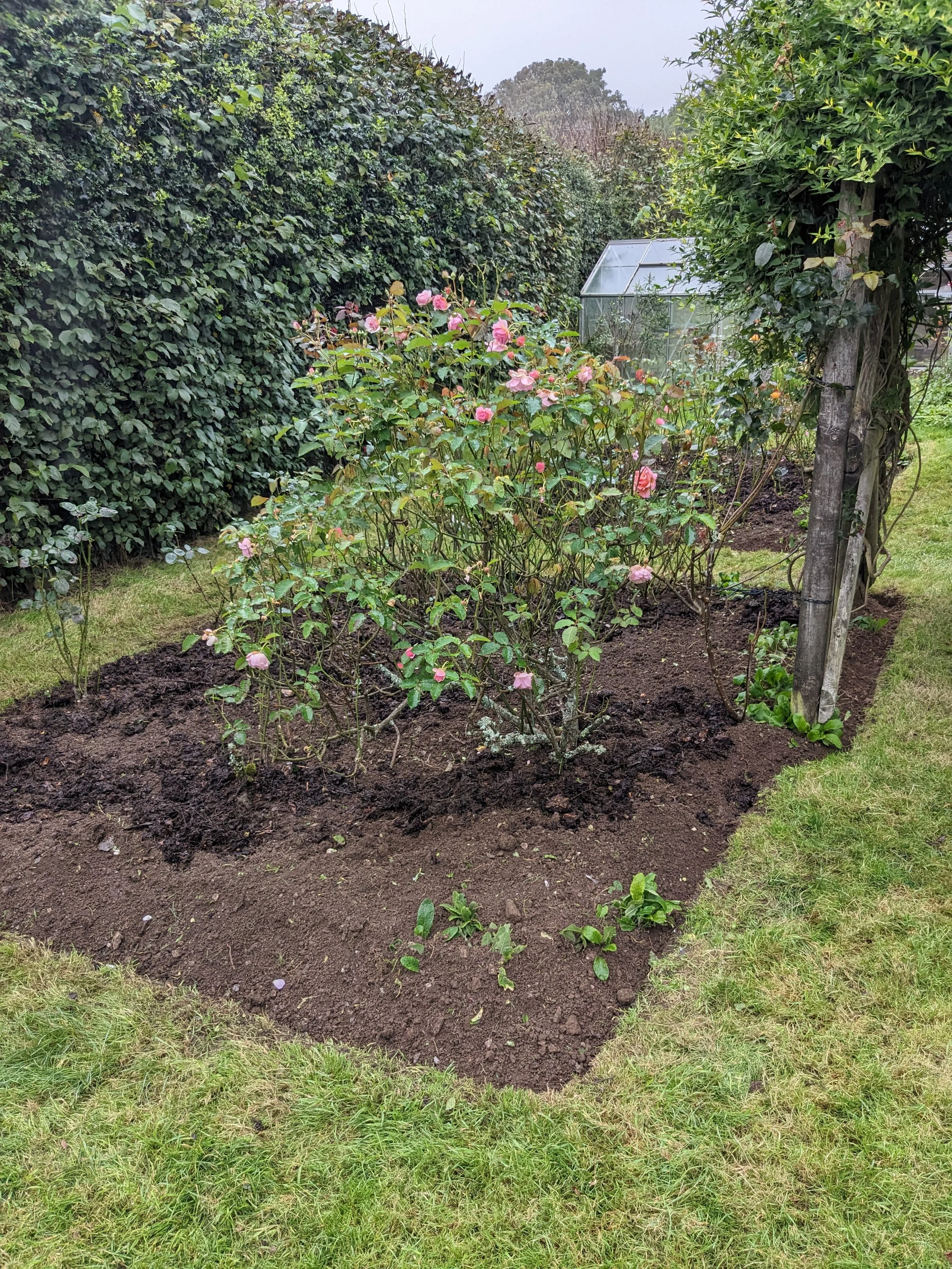
Back in the Totnes rose beds today. Just finished hoeing and mulching with some top-quality manure from Longcombe Garden Centre. Organic landscaping isn't just about how it looks on top—it's about feeding the soil underneath. The beds are weeded, fed, and ready for a late-summer show!
Fresh Manure, Happy Roses
Back at it in Totnes today. After getting the weeds under control yesterday, today was all about the "black gold." I headed over to Longcombe Garden Centre to pick up some of their well-rotted manure—it’s easily the best stuff in the area for breaking down our local clay.
I’ve hoed the beds through to get the air back into the soil and laid down a thick mulch. It looks clean, smells like a proper garden, and the roses are going to love it. Organic landscaping isn't just about the aesthetics; it’s about putting the fuel in the tank for that late-summer show.
There is nothing more satisfying than a freshly hoed and manured rose bed. Today’s job was simple but essential: clear the competition and feed the stars of the show.
I’ve used a rich organic manure from Longcombe to lock in the moisture and keep the weeds at bay. When you work with the soil instead of against it, the plants do the hard work for you. These beds are now officially ready for August.
If your garden needs a bit of this "right kind of attention," drop me a line.
The Soil First Method: Feeding the Roots
You can’t have a world-class bloom without world-class soil. Today in Totnes, I finished the "heavy lifting" on the rose beds. After a thorough weeding and hoeing, I’ve capped it all off with a layer of quality manure from the team at Longcombe.
This does two things: it stops the weeds from coming back the moment I turn my back, and it feeds the roses exactly what they need for a second flush of flowers. It’s the organic way—no chemicals, just good local nutrients.
With the manure and the hoed soil, the bed looks deep and the contrast between the dark manure and the green rose leaves really pops!
Feeding the Beds with Manure
Following on from my last visit, I was back at the client's place in Totnes today to finish the job. While deadheading and weeding are the first steps to a healthy rose bed, what you put back into the soil is what really determines the quality of the next flush of flowers.
As you can see, the beds are looking pristine. I spent the morning hoeing the soil to ensure it’s loose and aerated. Once the ground was clear of every last weed, I applied a generous layer of well-rotted manure.
I always try to source the best local materials, so for this job, I used manure from Longcombe Garden Centre. It’s fantastic quality—rich, organic, and exactly what these roses need to thrive in our local Totnes clay soil.
Why this matters:
Suppresses Weeds: A thick layer of manure acts as a mulch, making it much harder for weeds to break through.
Retains Moisture: It keeps the roots cool and damp, which is vital during these warmer weeks.
Slow-Release Feeding: As it breaks down, it pumps nutrients directly to the roots, fueling those late-summer blooms.
It’s all about the preparation. By weeding, hoeing, and mulching today, these roses are set up for a brilliant end to the season.
If your borders are looking a bit hungry or the weeds are taking over, get in touch. Whether it's a one-off tidy-up or regular organic maintenance, I’m here to help.
Contact me at: kevin@totnesgardening.co.uk or via the Contact page.
Sorting Out the Roses
Spent yesterday at a client's place in Totnes, getting their rose beds back in shape. It’s that time of year – a quick, sharp tidy-up makes all the difference for a brilliant late-summer show.
There’s no secret to it. It’s just about doing the right things at the right time.
Ruthless Deadhead: First job was a ruthless deadhead. You can’t be sentimental about it. Snip off all the old, spent blooms. It’s the only way to tell the plant to stop making seeds and get on with making new flowers.
Clear-out Around the Base: Then, a proper clear-out around the base. Roses hate competition, so I got stuck into the Weeding until the soil was clear. Once the ground could breathe, I gave them a good feed. A proper meal to fuel the next lot of blooms. This is what good Organic Landscaping is all about – working with the plant, not against it.
Preventative Check:
“And of course, a simple 5-minute job now to stop black spot and get bigger blooms this summer. A bit of preventative care saves a load of hassle down the line.”
It's not complicated. Roses aren't fussy. They just need a bit of the right kind of attention. That’s what my Garden Maintenance service delivers.
If your roses are looking a bit tired, give me a shout. We'll get them sorted.
You can reach me at kevin@totnesgardening.co.uk or through the Contact page.
Frequently Asked Questions
How do I keep weeds out of my rose bed? Mulching is the addition of a protective layer around the base of your roses. This process helps your roses to retain moisture, suppresses weeds and provides valuable nutrients for your roses as they grow.

A highly effective 5-minute gardening routine involves inspecting for early signs of disease, deadheading spent blooms, and cleaning the soil to protect foliage and maximize future flowers.
This quick task prevents energy-sapping infections and signals the plant to redirect its resources into producing significantly larger, more vibrant blooms.
A straightforward, step-by-step breakdown of how to execute the routine:
Inspect and Clear Foliage
Check for Black Spot
Inspect the lower leaves for dark, fringed patches. Black spot thrives in damp weather and can strip foliage of energy if left unchecked.
Immediately pluck off any affected leaves and throw them in the household bin. Do not add them to the compost, as this will spread the fungal spores.
Apply a Preventive Organic Spray
To prevent spores from taking hold, lightly mist the foliage once a week with a simple mix of one teaspoon of bicarbonate of soda in a standard spray bottle of water.
Apply the "5-Leaf" Deadheading Rule
Locate a Spent Bloom: Once a flower has faded, follow its stem down to identify the first leaf junction featuring a set of 5 leaflets.
Cut at an Angle
Use clean, sharp secateurs to make a \(45^{\circ }\) angled cut about 0.25 inches above that 5-leaflet leaf set (slanting the cut away from the bud to help rainwater run off). This signals the plant to stop seed production and direct its energy into a stronger new stem and more blooms.
Soil and Companion Tweaks
Light Soil Hoeing
Gently disturb the top layer of soil around the base of the plant to break up weed seedlings and loosen the dirt so water and air can reach the roots.
Natural Airflow
Consider planting companion plants like vertical Salvias around your rose beds. These can promote better air circulation and act as natural deterrents to fungal issues.
Organic Rose Bed Maintenance
Back in the Totnes rose beds today. Just finished hoeing and mulching with some top-quality manure from Longcombe Garden Centre. Organic landscaping isn't just about how it looks on top—it's about feeding the soil underneath. The beds are weeded, fed, and ready for a late-summer show! 🌹 #TotnesGardening
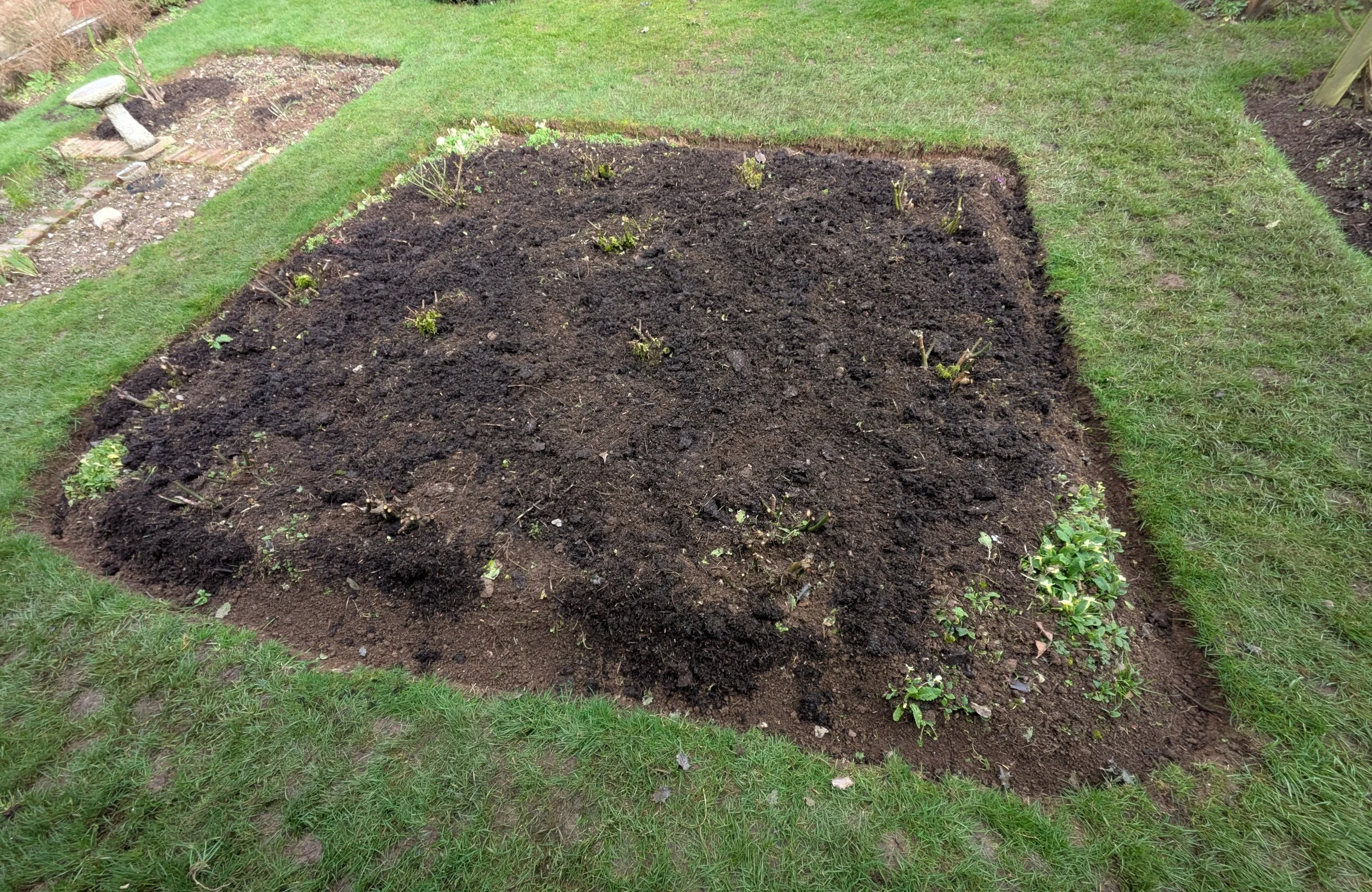
Clearing weeds and grass from the base of a rose bush to reduce competition for nutrients.
Keeping Rose Beds Healthy
To keep your roses looking as good as these ones in Totnes, follow these three organic rules:
Hoe Regularly: A quick 5-minute hoe once a week disturbs weed seedlings before they can take root. It also breaks the soil crust, letting oxygen get down to the roots.
Mulch for Moisture: In our Devon climate, we can get dry spells followed by heavy rain. A 2-3 inch layer of organic manure or compost regulates soil temperature and stops the ground from baking hard.
Feed the Soil, Not the Plant: By using quality manure instead of synthetic pellets, you’re building long-term soil health. Healthy soil equals a plant that can fight off blackspot and aphids naturally.
Garden Maintenance service
Managing heavy clay and persistent weeds can be a chore. I provide expert Organic Landscaping and regular maintenance across Totnes to take the graft out of your gardening.
Need your beds sorted?
Fresh Manure, Happy Roses
Back at it in Totnes today. After getting the weeds under control yesterday, today was all about the "black gold." I headed over to Longcombe Garden Centre to pick up some of their well-rotted manure—it’s easily the best stuff in the area for breaking down our local clay.
I’ve hoed the beds through to get the air back into the soil and laid down a thick mulch. It looks clean, smells like a proper garden, and the roses are going to love it. Organic landscaping isn't just about the aesthetics; it’s about putting the fuel in the tank for that late-summer show.
There is nothing more satisfying than a freshly hoed and manured rose bed. Today’s job was simple but essential: clear the competition and feed the stars of the show.
I’ve used a rich organic manure from Longcombe to lock in the moisture and keep the weeds at bay. When you work with the soil instead of against it, the plants do the hard work for you. These beds are now officially ready for August.
If your garden needs a bit of this "right kind of attention," drop me a line.
The Soil First Method
Feeding the Roots
You can’t have a world-class bloom without world-class soil. Today in Totnes, I finished the "heavy lifting" on the rose beds. After a thorough weeding and hoeing, I’ve capped it all off with a layer of quality manure from the team at Longcombe.
This does two things: it stops the weeds from coming back the moment I turn my back, and it feeds the roses exactly what they need for a second flush of flowers. It’s the organic way—no chemicals, just good local nutrients.
The manure and the hoed soil, the bed looks deep and the contrast between the dark manure and the green rose leaves really pops!
Feeding the Beds with Manure
Following on from my last visit, I was back at the client's place in Totnes today to finish the job. While deadheading and weeding are the first steps to a healthy rose bed, what you put back into the soil is what really determines the quality of the next flush of flowers.
As you can see, the beds are looking pristine. I spent the morning hoeing the soil to ensure it’s loose and aerated. Once the ground was clear of every last weed, I applied a generous layer of well-rotted manure.
I always try to source the best local materials, so for this job, I used manure from Longcombe Garden Centre. It’s fantastic quality—rich, organic, and exactly what these roses need to thrive in our local Totnes clay soil.
Why this matters:
Suppresses Weeds: A thick layer of manure acts as a mulch, making it much harder for weeds to break through.
Retains Moisture: It keeps the roots cool and damp, which is vital during these warmer weeks.
Slow-Release Feeding: As it breaks down, it pumps nutrients directly to the roots, fueling those late-summer blooms.
It’s all about the preparation. By weeding, hoeing, and mulching today, these roses are set up for a brilliant end to the season.
If your borders are looking a bit hungry or the weeds are taking over, get in touch. Whether it's a one-off tidy-up or regular organic maintenance, I’m here to help.
Contact me at: kevin@totnesgardening.co.uk or via the Contact page.
Sorting Out the Roses
Spent yesterday at a client's place in Totnes, getting their rose beds back in shape. It’s that time of year – a quick, sharp tidy-up makes all the difference for a brilliant late-summer show.
There’s no secret to it. It’s just about doing the right things at the right time.
First job was a ruthless deadhead. You can’t be sentimental about it. Snip off all the old, spent blooms. It’s the only way to tell the plant to stop making seeds and get on with making new flowers.
Then, a proper clear-out around the base. Roses hate competition, so I got stuck into the Weeding until the soil was clear. Once the ground could breathe, I gave them a good feed. A proper meal to fuel the next lot of blooms. This is what good Organic Landscaping is all about – working with the plant, not against it.
And of course, a quick check for the usual troublemakers like blackspot. A bit of preventative care saves a load of hassle down the line.
It's not complicated. Roses aren't fussy. They just need a bit of the right kind of attention. That’s what my Garden Maintenance service delivers.
If your roses are looking a bit tired, give me a shout. We'll get them sorted.
You can reach me at kevin@totnesgardening.co.uk or through the Contact page.
How do I keep weeds out of my rose bed?

Clearing weeds and grass from the base of a rose bush to reduce competition for nutrients.
Mulching is the addition of a protective layer around the base of your roses. This process helps your roses to retain moisture, suppresses weeds and provides valuable nutrients for your roses as they grow.
Salvias, sunlight and soil tweaks that help roses reach full size
Beyond emergency treatments, Ish Kamran stresses the importance of basic care so roses stay open and healthy. He explained: "Keeping [rose bushes] light, airy and making sure it is adequately watered but not overly watered is key. But the other thing you can do is actually grow salvias around your rose bushes."
He added: "Salvias are natural antifungal plants, and by having them nearby, they help prevent fungal infections in the first place." Their upright spires also encourage better airflow around each rose, so rainwater dries from the foliage more quickly.
For truly generous blooms, rose experts advise planting in a spot with at least six hours of direct sun each day and giving one or two deep waterings a week, around 1 to 2 inches (about 2.5 to 5cm), at the base of the plant.
A slightly acidic soil with a pH between 6 and 6.5, topped with well-rotted manure or compost, keeps roots fed and beds moist.